Winter Baby Reindeer in Scarf Embroidery Review
As an embroidery designer who spends countless hours evaluating digital files for seasonal collections, I have learned that the difference between a forgettable item and a bestseller often comes down to one specific element: emotional resonance. When building a holiday product line, we are not just selling fabric; we are selling nostalgia, warmth, and the joy of giving. This is why Winter Baby Reindeer in Scarf Embroidery caught my attention immediately. It is not merely a graphic; it is a strategic asset for any Etsy seller, small business owner, or handmade gift maker looking to capture the heart of the holiday season.
The First Impression: Cozy Meets Cute
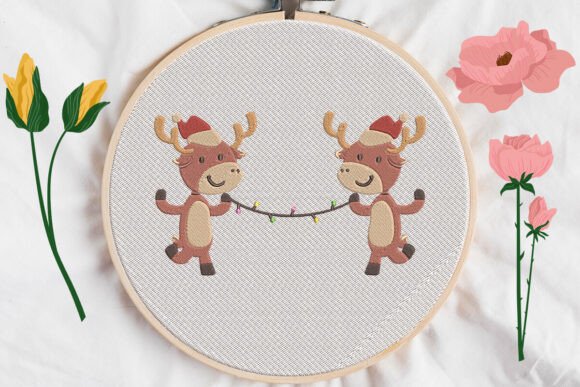
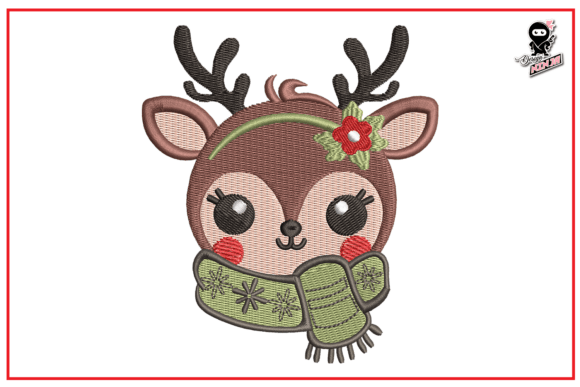
When you first load this design into your digitizing software, the mood is instantly established. The title suggests a narrative, and the visual confirms it. We are seeing a baby reindeer, a staple of the Baby Animals category, wrapped in a scarf. This combination triggers a powerful psychological response in buyers. It feels cozy, playful, and undeniably festive. Unlike stark, modern holiday motifs, this design leans into the rustic and nostalgic charm that dominates Christmas shopping trends.
The decorative style is clean yet detailed enough to hold interest. For a machine embroidery design, clarity is king. You want the customer to recognize the subject instantly, even from a distance at a craft fair. The silhouette of the reindeer combined with the texture implied by the scarf creates a strong visual anchor. It feels premium without being overly ornate, making it versatile enough for both high-end boutique items and affordable mass-market gifts. The aesthetic strikes a balance between elegant and cute, ensuring it appeals to parents buying for nurseries as well as adults purchasing their own holiday apparel.
Real-World Application: Where Does This Design Shine?
In my experience planning seasonal drops, versatility is the most valuable trait a file can possess. Winter Baby Reindeer in Scarf Embroidery is exceptionally adaptable. Here is how I envision this embroidery file performing across various product categories:
- Holiday Apparel: This is perhaps the strongest use case. Imagine this design centered on a cream or forest green sweatshirt. The contrast would pop beautifully. It works equally well on children’s jumpers, creating adorable family matching sets—a huge trend during the holidays. The softness of the reindeer motif pairs perfectly with the comfort of knit fabrics.
- Home Decor: Move beyond clothing and look at textiles. A kitchen towel embroidery application is classic for this time of year. Placing the reindeer near the hem adds a subtle touch of whimsy to holiday baking sessions. Similarly, pillow covers in neutral tones can be transformed into statement pieces for the living room sofa.
- Gift Accessories: Tote bags are ubiquitous during the holidays, used for wrapping presents or carrying goods. A tote bag design featuring this reindeer adds a personalized touch that generic store-bought bags lack. It also translates well to aprons for those hosting Thanksgiving or Christmas dinners, adding a layer of professional polish to home cooking.
- Ornaments and Patches: For smaller projects, this design fits perfectly within standard ornament hoops. It can be stitched onto felt or velvet for tree decorations. Additionally, because of its contained shape, it serves as an excellent base for an embroidered patch that can be ironed or sewn onto denim jackets or beanies.
Strategic Selling Points for Holiday Shoppers
From a marketing perspective, this design offers several advantages. First, it enhances giftability. When customers browse online, they are often looking for items that feel "thoughtful." A baby animal motif signals care and tenderness, which increases conversion rates for gifts aimed at new parents or young children.
Furthermore, this design supports personalized gift strategies. Because the background elements are minimal, there is ample space to add names, dates, or short phrases like "Merry Christmas" or "Baby's First Christmas" without cluttering the composition. This allows you to create higher-value bundles. You can offer the basic design at a lower price point and charge a premium for the customized version.
Social media engagement is another key factor. Visuals that evoke warmth perform exceptionally well on platforms like Instagram and Pinterest. A photo of a finished product—say, a child wearing a sweater with this reindeer embroidered on the chest—creates an immediate emotional connection. It is highly shareable content that drives traffic to your shop.
Where to Exercise Caution
While the design is robust, no digitizer is perfect, and no fabric is uniform. There are specific scenarios where you must proceed with caution:
- Small Hoop Sizes: If you attempt to stitch this on very small items, ensure the details remain legible. Tiny lettering or fine lines might merge together if the scale is too reduced.
- Thick Fabrics: While great for sweaters, thick towels or heavy canvas can cause needle deflection. Always test on your actual production fabric to ensure the stitches lay flat.
- Dark Fabric: Embroidering light threads on dark backgrounds requires proper underlay stitching to prevent show-through. If the thread colors are not carefully selected, the design may lose its crispness.
- Stretchy Garments: When embroidering on jersey or spandex blends, stabilization is critical. Without it, the fabric will pucker, distorting the image of the reindeer.
Practical Designer Notes for Production
To ensure your finished products meet professional standards, follow these technical guidelines before launching your collection:
Thread Color Selection: Do not rely solely on default settings. Test thread colors on both light and dark fabrics. For a winter theme, consider using metallic threads for the scarf or nose to catch the light, but ensure the sheen does not overpower the cute nature of the baby animal. Create realistic mockups digitally before committing to physical samples.
Stitch Density and Stabilizer: Check the stitch density of the file. If the design is too dense, it may become stiff and uncomfortable against the skin, especially on baby clothes. Use a cut-away stabilizer for woven fabrics like cotton towels and linen tablecloths to maintain stability over repeated washing. For knits, a tear-away may suffice if the garment is not subjected to heavy wear.
Fabric Texture: Consider how the fabric texture interacts with the design. Smooth cottons allow for sharp detail, while textured wools or fleeces add depth but may hide finer stitches. Choose your materials wisely to complement the cozy aesthetic of the design.
Commercial Licensing: Before selling any finished products, confirm the commercial licensing terms of the digital file. Ensure you have the right to sell physical goods created with this digital embroidery file. Violating licensing agreements can lead to serious legal issues for your small business.
Final Verdict
Winter Baby Reindeer in Scarf Embroidery is a strong addition to any seasonal inventory. It balances aesthetic appeal with practical application, making it suitable for a wide range of products from apparel to home decor. By paying attention to technical details like stitch density and stabilization, and by leveraging the emotional power of its design, you can create a cohesive and profitable holiday collection. Whether you are updating your Etsy listings or preparing for a busy craft fair season, this design offers the festive spark that customers are looking for. Remember to check specific hoop size requirements and review small details after stitching to guarantee every finished product reflects the quality your brand promises.