Walking Frog Machine Embroidery
As an embroidery designer who spends weekends hunched over a sewing machine and weekdays planning booth layouts for craft fairs, I have developed a keen eye for what actually sells versus what just looks nice on a screen. When I first reviewed the Walking Frog Machine Embroidery design from the Baby Animals category, my immediate thought was not about its technical complexity, but about its shelf appeal. In the world of handmade markets, you have roughly three seconds to capture a passerby’s attention before they move on to the next table. Does this design deliver? Let’s break down how this digital file performs in the real world of production, display, and sales.
First Impressions: The Vibe Check
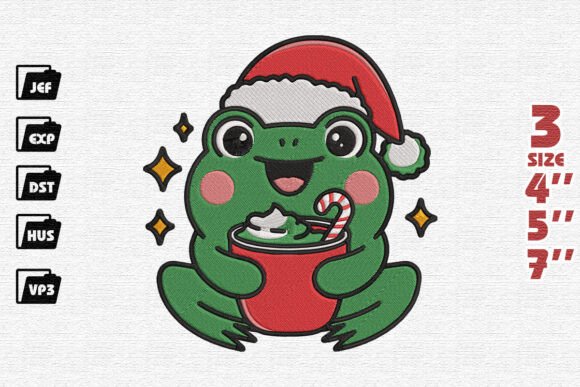
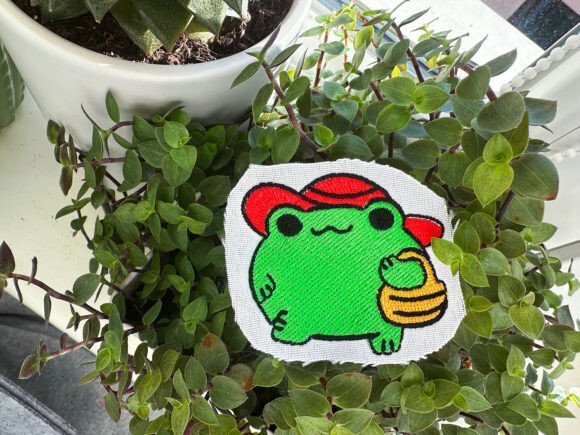
The description promises a "charming" and "playful" spirit of nature, and visually, it delivers exactly that. This is not a stiff, formal frog; it is an adorable little character that feels approachable and warm. For a craft fair booth, this aesthetic is gold. It strikes a balance between rustic charm and modern cuteness, making it versatile enough for various customer demographics. Whether your booth leans toward farmhouse decor or trendy baby gifts, the Walking Frog Machine Embroidery fits seamlessly into the visual narrative. It feels soft, decorative, and undeniably premium, which suggests a higher perceived value for the finished product.
Product Application: Where Will It Shine?
Not every embroidery file translates well to every surface. I evaluated where the Walking Frog Machine Embroidery would stand out most effectively when preparing a table display. Here is my breakdown of potential products:
- Tote Bags and Market Bags: This is arguably the strongest application. A large canvas tote bag provides ample negative space, allowing the frog to breathe. Placed slightly off-center on a natural linen or navy blue bag, the design becomes a statement piece. It photographs beautifully for online listings and looks substantial in person, signaling quality to buyers.
- Apron Embroidery: Positioning the frog on the bib or lower pocket area of a kitchen apron adds a touch of whimsy to everyday utility. This appeals heavily to home cooks and gardeners. The playful nature of the frog contrasts nicely with the seriousness of cooking, creating an emotional connection with the buyer.
- Tea Towel Embroidery: Textured cotton towels can be tricky, but if the stitch density is appropriate, the frog will pop against the weave. This is a classic gift item. Ensure the thread colors contrast well with the towel’s base color to maintain clarity.
- Embroidered Patch and Caps: If designed as a standalone motif, it works exceptionally well as a patch for denim jackets or as a focal point on a baseball cap. The curved surface of a cap requires careful hooping, but the result is a trendy, wearable accessory that drives impulse buys.
- Pillow Covers and Small Pouches: These items offer a cozy, tactile experience. A small fabric pouch featuring the frog makes for a perfect gift for children or as a jewelry holder. The compact size allows for batch production, increasing your profit margins per hour spent.
Selling Points and Visual Appeal
When evaluating a machine embroidery design for commercial use, I look at how it affects customer attention and brand consistency. The Walking Frog Machine Embroidery excels here because it is instantly recognizable. At a glance, it communicates joy and nature. This simplicity is crucial for Etsy sellers and market vendors alike; customers do not need a long explanation to understand why they want it.
In terms of photography, this design is highly photogenic. The "adorable" factor triggers an emotional response that leads to higher conversion rates. When you create a printable mockup for your social media or website, the frog’s playful posture draws the eye. It serves as a strong hook in your marketing materials, promising a handmade product that is both cute and durable.
Furthermore, the design supports brand consistency. If you are building a boutique line focused on nature-inspired or baby-themed goods, this design acts as a reliable anchor. It feels cohesive with other elements like leaves, flowers, or woodland creatures, allowing you to create themed collections that encourage multiple purchases.
Practical Production Notes
Before committing to a full run of commercial embroidery projects, there are practical steps you must take to ensure quality control. As a professional, I cannot stress enough the importance of testing. Here is my checklist for producing these items efficiently:
- Test on Scrap Fabric: Always run a test stitch-out on the exact fabric you plan to sell. Fabric texture can drastically alter how the design appears. A smooth cotton might look different than a nubby linen.
- Check Thread Contrast: Evaluate your thread colors against the fabric. Dark fabrics may require bright, saturated threads to make the frog visible, while light fabrics allow for softer pastels. Poor contrast is the number one reason returns happen due to "visibility issues."
- Review Stitch Density: Inspect the stitch density closely. Dense areas can pucker thin fabrics, while sparse areas might look unfinished on textured materials. You need to find the sweet spot where the design looks plush but lies flat.
- Confirm Hoop Size: Verify the required hoop size early. If the design is too large for standard hoops, you may need to re-hoop, which increases production time and the risk of misalignment. Efficiency is key for profitability.
- Select the Right Stabilizer: Use the appropriate stabilizer for your fabric type. Cut-away stabilizers are generally best for stretchy fabrics like caps or fleece, while tear-away works well for stable wovens like tea towels.
- Create Real Mockups: Do not rely solely on digital previews. Create at least one physical sample. This helps you identify any tiny details that might get lost in the stitching process.
Cautionary Advice for Sellers
While the Walking Frog Machine Embroidery is charming, there are common pitfalls in embroidery production that you must avoid. Be wary of designs with tiny details or small lettering that may lose clarity when stitched at smaller sizes. If you plan to scale the design down for a small pouch, check that the facial features of the frog remain distinct. Similarly, thick fabrics like heavy denim or textured towels can obscure fine stitches, so adjust your tension or needle size accordingly.
Another critical note is commercial licensing. Before you start selling finished products, confirm the digital embroidery file license terms. Some designers allow unlimited personal use but restrict commercial sales, while others offer specific commercial licenses. Respecting intellectual property protects your business and ensures ethical practices within the crafting community.
Final Verdict
The Walking Frog Machine Embroidery is a standout choice for craft fair sellers and small shop product creators. Its blend of cuteness, versatility, and visual impact makes it a high-potential item for boosting booth sales. By following proper production protocols—testing fabrics, checking densities, and ensuring clear licensing—you can turn this simple design into a profitable line of handmade goods. Whether you are an experienced embroiderer or just starting out, this design offers a delightful way to connect with customers through the warmth of handmade artistry.