Baby Stroller on Grass Embroidery Design Review
As a designer who spends half my life staring at stitch charts and the other half troubleshooting tension issues, I don’t just look at an embroidery design; I evaluate its potential in the real world. When I first pulled up Baby Stroller on Grass Embroidery Design, my initial reaction wasn’t about the technical specs—it was about the mood. There is a specific warmth to this piece that translates beautifully from screen to fabric. It captures that quintessential "new parent" sentiment without veering into overly cutesy territory that can sometimes feel cheap on finished goods.
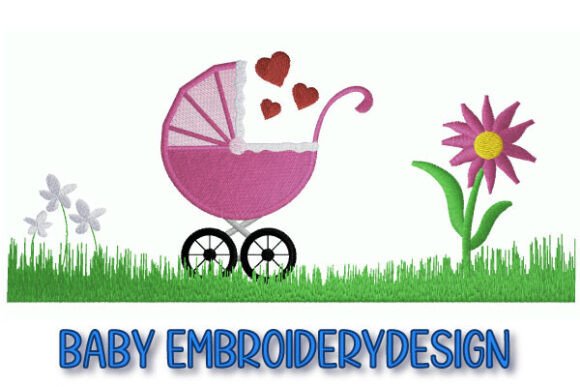
This isn’t just another clipart-style graphic converted into stitches. The layout suggests a scene rather than a flat icon. The grassy field provides a natural base that allows for interesting texture work, while the stroller itself offers clean lines that are forgiving for machines of varying calibrations. For those of us running small shops or preparing custom gifts, this distinction matters. It feels like a piece that invites conversation, which is exactly what you want when you’re trying to justify a premium price point on a handmade item.
Visual Personality and First Impressions
The strength of this design lies in its simplicity and charm. It evokes a sense of calm and nostalgia. Visually, it strikes a balance between detailed enough to show craftsmanship but simple enough to remain legible after washing. The theme is universally appealing, making it a safe yet thoughtful choice for boys nursery decor, baby shower favors, or everyday wear. However, its appeal isn't limited strictly by gender; the soft greens and classic stroller shape give it a timeless quality that fits well in modern, minimalist nurseries as much as traditional ones.
When looking at the composition, the negative space is handled well. This is crucial for embroidery because too much detail crammed into a small area can result in a muddy, indistinct final product. Here, the elements breathe. The grass implies movement and texture, suggesting that if executed with the right thread choices, you could achieve a lovely tactile contrast against smoother fabrics like cotton blends or jersey knits.
Real-World Application: From Screen to Stitch
Let’s talk about how this actually performs when you put it under the needle. I recently considered using Baby Stroller on Grass Embroidery Design for a batch of personalized tote bags destined for a local boutique client. The scenario was practical: durable canvas bags for new moms carrying diapers and essentials. In this context, the design works exceptionally well. The sturdy nature of canvas supports the weight of the stitches, and the casual vibe of a tote bag complements the relaxed, outdoor feel of the grassy field motif.
However, not every surface is created equal. If you plan to use this as sweatshirt embroidery, pay close attention to the stabilizer. Heavy sweatshirts can distort delicate designs if not hooped tightly with adequate backing. Conversely, placing this on delicate baby clothes requires a lighter touch. The design’s scale needs to be appropriate for the garment; a tiny version might lose the charm of the grass texture, while a massive one might overwhelm a onesie. Testing on scrap fabric is non-negotiable here.
I also envision this working beautifully as an embroidered patch. The clear outline of the stroller makes it a strong candidate for iron-on or sew-on patches, which are huge sellers in the craft business community. Parents love attaching these to backpacks, lunchboxes, or denim jackets. The durability of the finish will depend heavily on your satin stitch quality around the edges, so ensure your machine is calibrated for crisp borders.
Where Caution Is Required
While versatile, there are specific scenarios where Baby Stroller on Grass Embroidery Design might present challenges:
- Small Hoop Sizes: If you attempt to digitize or resize this significantly smaller, you risk losing the definition of the grass blades and the stroller wheels. Tiny details often get lost in the stitching process, resulting in a blobby appearance.
- Textured Fabrics: While linen or heavy tweed might look artistic, they can hide the nuance of fill stitches. Stick to smoother fabrics like cotton, polyester blends, or fleece for the best visual impact.
- Stretchy Materials: Knits require excellent stabilization. Without it, the hoop marks may remain visible, or the design may pucker over time, especially around the curved parts of the stroller.
- Dense Stitch Areas: Check the stitch density before committing to a large print. If the fill is too dense, the fabric may become stiff and uncomfortable, particularly for items like baby blankets or soft apparel.
Impact on Product Value and Branding
In the world of Etsy sellers and small shop owners, presentation is everything. A well-executed embroidery design elevates a commodity into a keepsake. Using Baby Stroller on Grass Embroidery Design signals attention to detail. It shows customers that you care about the aesthetic cohesion of your products. Whether you are selling digital embroidery files or physical handmade products, the professionalism of the design reflects on your brand.
Consider the giftability factor. This design naturally lends itself to gifting. It has that "aww" factor that drives impulse buys during holiday seasons or baby showers. When you photograph your finished product—say, a pillow cover featuring this design—the visual appeal is heightened by the interplay of light and shadow on the textured stitches. This makes creating printable mockups easier, as the design holds its own even in static images.
Furthermore, consistency is key for building customer trust. If you use this design across a range of products—caps, aprons, tea towels—you create a recognizable style. Customers begin to associate that sweet, pastoral vibe with your shop. It becomes part of your visual identity, helping you stand out in a crowded market of generic designs.
Practical Designer Notes for Execution
Before you upload this file to your production queue, keep these practical tips in mind to ensure success:
- Test on Scrap Fabric: Always run a test stitch-out. This reveals tension issues, color clashes, and scaling problems before you waste expensive materials on a paying customer.
- Check Thread Color Contrast: The green of the grass needs to pop against your chosen fabric. On dark fabrics, you may need brighter, more saturated threads to maintain visibility. On white or cream, softer pastels will enhance the gentle mood.
- Review Stitch Density: High density can lead to puckering. If the design feels too heavy, consider adjusting the underlay or reducing the number of passes in fill areas.
- Inspect Small Details: Zoom in on the digital preview. Are the spokes of the wheel distinct? Can you see individual blades of grass? If details are too fine, they may merge during stitching.
- Black and White Mockup: View your design in grayscale. This helps you assess the value contrast and ensures the design remains readable regardless of color variations.
- Confirm Licensing: If you intend to sell finished items made with this design, verify the commercial license terms. Some digital embroidery files allow personal use only, while others permit unlimited commercial sales. Respecting intellectual property protects your business from legal issues.
Ultimately, Baby Stroller on Grass Embroidery Design is a solid addition to any embroiderer’s library. It offers a blend of charm, versatility, and professional polish that resonates with buyers. By understanding its strengths and respecting its limitations, you can transform this digital asset into a tangible, beloved product that brings joy to new parents and adds value to your creative portfolio.