Santa Claus Face Embroidery Design Review
When I sit down to evaluate a new embroidery design, my first instinct is always practical. I am not looking for perfection in the digital preview; I am looking for viability in the hoop. The holiday season brings an overwhelming flood of festive assets, and as someone who has stitched hundreds of custom apparel pieces for clients and small business owners, I know that not every cheerful graphic translates well into thread. This review focuses on the Santa Claus Face Embroidery Design, assessing whether this specific file holds up under the scrutiny of real-world production, from Etsy listings to craft fair booths.
First Impressions and Visual Personality
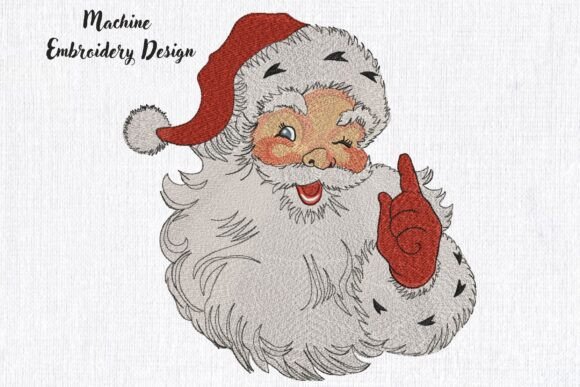
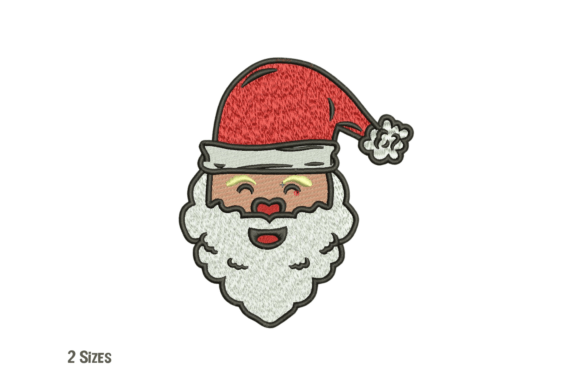
The moment you load the file, the mood is immediately established. This is not a subtle, minimalist take on Santa. It is bold, recognizable, and leans heavily into the traditional iconography that customers expect during the holidays. The design features a jolly face with an iconic red hat, a cheerful smile, and a fluffy beard. From a layout perspective, it feels balanced. The negative space around the edges suggests it was crafted to be versatile, allowing it to fit comfortably on various product types without feeling cramped or floating aimlessly.
What stands out most is the visual personality. It captures the "jolly" aesthetic perfectly without crossing into caricature territory. For a small shop product targeting families or children, this level of warmth is crucial. It signals fun and tradition instantly. However, for high-end boutique branding that favors understated elegance, this might feel too loud. It belongs firmly in the realm of festive cheer, making it ideal for holiday embroidery projects where the goal is to evoke immediate seasonal recognition.
Real-World Application: A Case Study
To truly test this design, I imagine placing it on a custom embroidered tote bag made from heavy-duty canvas, intended as a giveaway for a local holiday market. Alternatively, consider a sweatshirt embroidery project for a family matching set. In both scenarios, the design needs to hold its own against the texture of the fabric.
On a canvas tote, the fill stitch areas of the beard and hat will create a nice tactile contrast against the woven fabric. The colors will pop, especially if paired with standard white or natural canvas. If we shift to a soft cotton t-shirt, the design becomes more delicate. The stitch density must be sufficient to prevent the fabric from showing through, but light enough to keep the garment comfortable. This versatility is a strong point. The design works equally well as a chest logo on a cap or centered on the back of a hoodie. It also translates beautifully to smaller items like aprons or kitchen towels, where the festive theme adds value to a utilitarian item.
Technical Performance and Stitch Clarity
As an experienced designer, I pay close attention to how details are rendered. The "fluffy beard" description in the product notes suggests the use of varied thread colors or perhaps a multi-color fill to simulate texture. In practice, this is where many designs fail. If the transition between the skin tone and the white beard is too abrupt, it can look harsh. A good machine embroidery design uses subtle color changes or shadow stitches to create depth.
The red hat is another critical element. Red thread can sometimes appear darker than expected depending on the brand used. When reviewing the embroidery file, I check to ensure the hat’s shape remains distinct from the background. If this is placed on a dark fabric, the red might get lost unless there is a contrasting outline or satin stitch border. The cheerful smile should be crisp; jagged lines here can make the character look angry rather than happy. Assuming the file is optimized, the facial features should read clearly even at a glance, which is essential for commercial embroidery where quick visual impact drives sales.
Where Caution Is Required
While this design is robust, it is not suitable for every surface. You must be careful when attempting this on small hoop sizes. If the design is scaled down too much, the stitch density may cause puckering, or fine details like the eyes and mouth may merge into indistinguishable blobs. Similarly, textured fabrics like chunky knits or heavy fleece can obscure the finer details of the face. Stretchy fabrics require a strong stabilizer to prevent distortion, especially around the curved edges of the hat.
Avoid using this on thin, sheer materials without proper backing, as the weight of the threads could tear the fabric. Also, be mindful of curved surfaces like baseball caps. While possible, the flat nature of a face design might not follow the curve of a cap front as naturally as a script font or a smaller icon. For these applications, testing on scrap material is non-negotiable.
Impact on Product Value and Branding
In the world of handmade products, perceived value is everything. A well-executed Santa Claus Face Embroidery Design elevates a simple commodity into a memorable gift. Customers trust finished products that show clean stitching and accurate color representation. When a buyer sees a high-quality embroidered Santa on a baby onesie or a personalized pillow cover, they associate that clarity with professionalism. This builds trust and encourages repeat purchases.
For Etsy sellers and digital product sellers, the visual appeal of the final product directly impacts click-through rates. Using this design in your printable mockups allows you to showcase the vibrant reds and whites effectively. It creates a cohesive brand identity for shops specializing in Christmas decor. The design’s recognizability reduces the cognitive load for the buyer—they don’t have to guess what the image is; they see Santa, they feel the holiday spirit, and they buy. This emotional connection is a powerful driver for personalized gifts.
Practical Designer Notes for Implementation
Before committing this design to a full production run, follow these steps to ensure success:
- Test on Scrap Fabric: Always stitch a sample on the exact fabric you plan to sell. Check for puckering, thread breaks, or color mismatches.
- Check Thread Contrast: Ensure the red hat and white beard stand out against your chosen background. On dark fabrics, you may need to add a contrasting outline.
- Review Stitch Density: High density can make garments stiff. If the design feels too heavy, consider digitizing adjustments or selecting lighter stabilizers.
- Hoop Size Confirmation: Verify that the design fits your target product. A design that looks great in a 5x7 hoop might be too large for a standard cap frame.
- Black and White Mockup: View the design in grayscale to check the balance of light and dark areas. This helps identify if any elements are too faint or overpowering.
- Licensing Check: Confirm whether the embroidery file includes commercial rights. As a craft business owner, you need to know if you can sell the finished physical items without legal issues.
- Stabilizer Selection: Use the appropriate stabilizer for your fabric type. Cut-away stabilizers are often best for stretchy or frequently washed items to maintain integrity over time.
Final Verdict
The Santa Claus Face Embroidery Design is a solid, reliable asset for anyone looking to capitalize on the Christmas season. It offers a classic look that resonates with a broad audience, from hobbyists making gifts for grandchildren to apparel decorators fulfilling bulk orders for corporate holiday parties. Its strength lies in its clear, cheerful imagery and versatile layout.
However, success depends on execution. By paying attention to fabric choice, thread quality, and stabilization, you can transform this digital file into a stunning finished product. It is particularly well-suited for tote bag design projects, baby embroidery items, and festive home decor. If you are looking to add a touch of traditional holiday magic to your inventory with minimal risk, this design is a worthy addition to your design assets library. Just remember: the difference between a good embroidery project and a great one is often found in the preparation, not just the pattern itself.