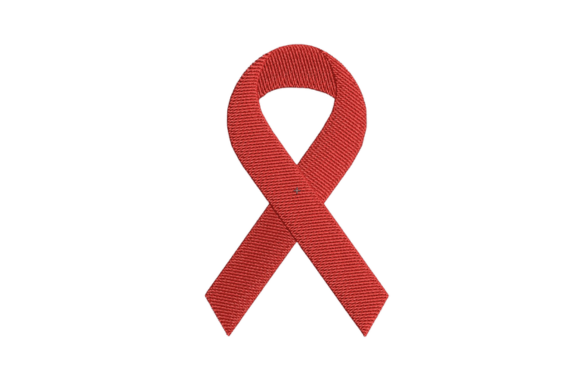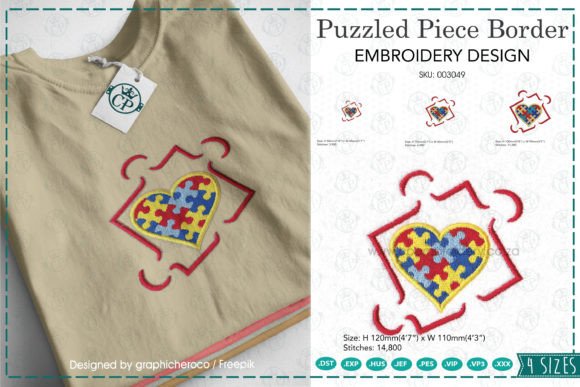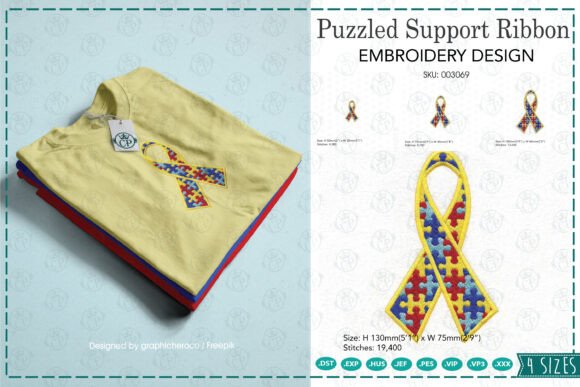
Puzzled Support Ribbon Embroidery Design Review
As an embroidery designer who has spent years translating digital concepts into tactile memories, I approach every new file with a mix of excitement and skepticism. When I first downloaded the Puzzled Support Ribbon Embroidery Design, I knew it was destined for more than just a simple hoop display. This is not merely a graphic; it is a narrative woven in thread. Specifically crafted to highlight Autism awareness, this design carries a weight of meaning that resonates deeply with modern gifting trends. In this review, I will walk you through my testing process, evaluating how this machine embroidery design performs when applied to real-world personalized gift products.
First Impressions: Mood and Emotional Appeal
The moment the design stitched out on my test fabric, the charm was undeniable. The puzzle piece motif, often associated with neurodiversity and support, is rendered here with a whimsical yet elegant touch. It avoids being overly childish while remaining accessible and warm. For those of us creating personalized gifts, emotional connection is everything. This design strikes a balance between playful and sophisticated, making it suitable for a wide demographic.
I found the detail level to be high without being cluttered. The lines are clean, and the negative space allows the eye to rest. Whether you are an Etsy seller looking for trending items or a small business owner expanding your catalog, this embroidery file offers a unique selling point. It speaks to care, understanding, and community. It feels handmade, even though it is created by a machine, which is the holy grail of handmade product marketing. The mood is supportive and inviting, perfect for customers seeking meaningful tokens of affection.
Application Scenarios: From Baby Blankets to Wedding Keepsakes
In my testing phase, I experimented with various substrates to see where this design truly shines. Here is how I envision it performing in different product categories:
- Baby Embroidery and Nursery Decor: One of the strongest applications is on organic cotton baby blankets. The soft texture of the fabric complements the gentle curves of the ribbon elements. Parents today are increasingly conscious of awareness-themed items, and this design offers a subtle way to show support. It works beautifully as a keepsake for siblings or grandparents.
- Wedding Gifts and Bridal Showers: While traditionally associated with autism awareness, the aesthetic is universal enough for broader use. Imagine a custom tote bag or a kitchen towel gifted to a couple who advocates for inclusivity. The design adds a layer of thoughtfulness that standard monograms lack.
- Personalized Towels and Aprons: For the home goods market, this design elevates a basic embroidered towel. Placed on the corner of a flour sack towel or the chest of a chef’s apron, it becomes a statement piece. It appeals to teachers, therapists, and caregivers who wish to wear their values literally.
- Pillow Covers and Throw Pillows: A pillow cover featuring this design can serve as a conversation starter in a living room. The visual interest holds up well from a distance, making it effective for home decor listings.
Target Audience Insights
Who buys this? The primary audience includes parents of children with special needs, educators, speech therapists, and allies within the community. However, do not overlook the general crafter market. Many crafters love designs that tell a story. By positioning this as a symbol of care rather than just a medical symbol, you broaden your appeal. It attracts buyers who value authenticity and commercial embroidery quality.
Strategic Considerations and Placement Warnings
While the design is versatile, there are specific areas where caution is required. As a professional, I must advise against using this design on surfaces where fine details might get lost or where fabric distortion could ruin the integrity of the image.
- Small Lettering and Delicate Details: If you plan to add names or dates around the main motif, ensure the font size is large enough. The intricate parts of the ribbon design should not compete with tiny text. On small items like baby embroidery tags, scale is critical.
- Textured and Thick Fabrics: Avoid placing this on heavily textured fabrics like bouclé or very thick terry cloth towels unless you are using a heavy-duty stabilizer. The needle penetration may be inconsistent, leading to skipped stitches or puckering.
- Stretchy Materials: Be careful with stretchy baby clothes or jersey knits. Without proper stabilization, the stitch density of the design can cause the fabric to pucker over time, especially after washing.
- Curved Surfaces: Do not attempt to embroider this directly onto curved surfaces like the side of a mug or a rounded hat crown without a specialized attachment. Flat surfaces yield the best results.
- Dark Fabric Contrast: Always check your thread colors carefully. On dark backgrounds, lighter threads may require a backing or underlay to prevent the design from looking washed out or transparent.
Impact on Giftability and Perceived Value
In the world of online sales, perceived value drives conversion. A well-executed custom embroidery project feels luxurious and thoughtful. The Puzzled Support Ribbon Embroidery Design enhances this perception significantly. Because it addresses a meaningful cause, customers feel they are buying more than a product; they are buying into a sentiment. This emotional connection fosters customer trust and loyalty.
For small shop owners, this means higher engagement. Customers are more likely to leave reviews and share photos if the item resonates emotionally. It also aids in product photography. The clean lines and symbolic nature of the design photograph well, allowing you to create compelling printable mockups for your storefront. When buyers see a high-quality finish, they assume the underlying craftsmanship is superior, reducing hesitation at checkout.
Practical Embroidery Notes for Success
To ensure your finished product meets professional standards, follow these technical guidelines during your production run:
- Test on Scrap Fabric: Never go straight to the final product. Stitch the design on a scrap piece of the same material to check for tension issues and color accuracy.
- Check Thread Color Contrast: Ensure the thread stands out against the fabric. Low contrast can make the design look muddy or unfinished.
- Confirm Hoop Size: Verify that the design dimensions fit comfortably within your intended hoop size. Leaving adequate margins prevents edge fraying and ensures clean stitching.
- Review Stitch Density: High-density areas may need a water-soluble topping to prevent thread breakage, especially on synthetic blends.
- Use Proper Stabilizer: Match your stabilizer to your fabric weight. Cut-away stabilizers are generally safer for long-term durability, especially for items that will be washed frequently.
- Compare Light and Dark Mockups: Create digital previews on both light and dark backgrounds to help customers visualize the final look.
- Check Small Details: Zoom in on the stitched output. Are the puzzle pieces distinct? Is the ribbon smooth? Minor imperfections are magnified in close-up product shots.
- Confirm Commercial Licensing: Before listing any items for sale, verify the license terms of the digital embroidery file. Most reputable designers offer commercial licenses, but it is crucial to have documentation ready for platforms like Etsy or Shopify.
Ultimately, the Puzzled Support Ribbon Embroidery Design is a powerful tool in your creative arsenal. It combines artistic merit with social relevance, offering endless possibilities for blanket embroidery, apparel, and home decor. By paying attention to the technical details and understanding the emotional weight of the design, you can create products that not only sell well but also make a genuine difference in your customers' lives. Whether you are a seasoned pro or just starting your journey as an Etsy seller, this design deserves a spot in your collection.