Cute Funny Boo Embroidery Review
As a designer who spends half her life staring at stitch patterns and the other half worrying about client deadlines, I don’t just buy embroidery files; I vet them. The market is flooded with generic clip art converted into .pes or .dst formats, but finding a design that balances aesthetic charm with technical reliability is rare. Recently, I pulled Cute Funny Boo Embroidery from my library to test against some real-world project scenarios. I wasn’t looking for a simple decoration; I needed something that could elevate a handmade product line without requiring hours of editing in digitizing software.
This review isn’t about pixel-perfect screenshots. It’s about how this machine embroidery design behaves when it hits the hoop, how it translates on different fabrics, and whether it actually adds value to a small business inventory. Here is my practical breakdown of using Cute Funny Boo Embroidery for commercial and personal projects.
First Impressions and Visual Personality
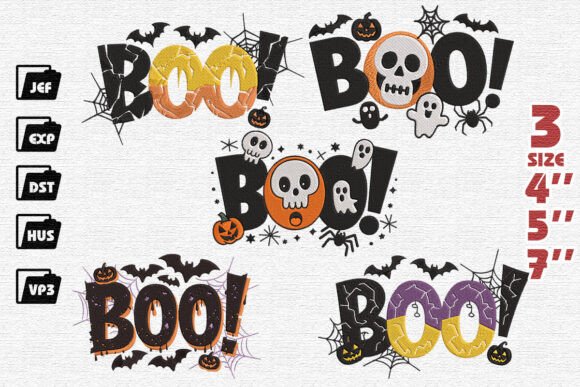
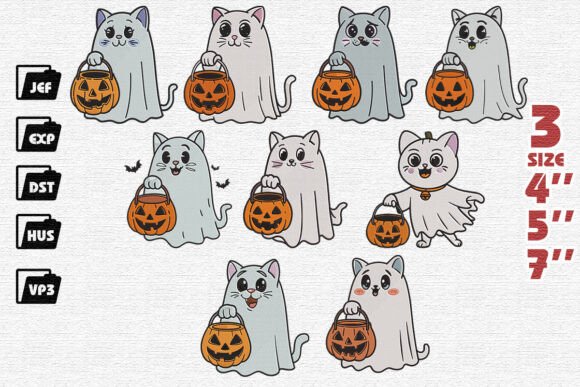
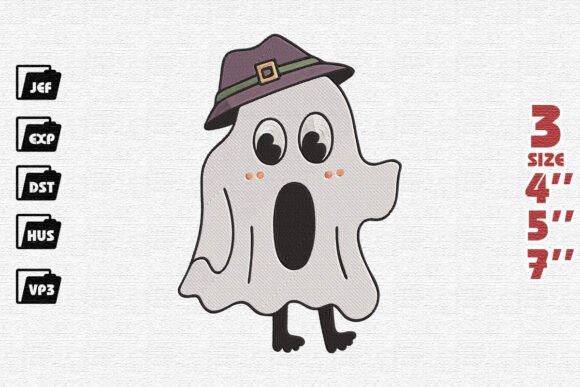
The moment you load the embroidery file, the mood is immediately established. This isn’t a spooky, horror-themed Halloween piece; it’s playful, approachable, and undeniably cute. The visual personality leans heavily into the "friendly ghost" trope, which is perfect for modern nursery decor, children’s apparel, and boutique gift items. The layout feels balanced, avoiding the cluttered look that often plagues low-quality digital embroidery files.
From a design standpoint, the shape language is clean. The curves are smooth, suggesting a high-quality digitization process where satin stitches have been optimized to prevent puckering. For an Etsy seller or craft fair vendor, this distinction matters. Customers can often tell if a design was rushed. Cute Funny Boo Embroidery looks intentional. It has a distinct character that stands out in a sea of generic jack-o'-lanterns or witches’ hats. It feels like a brand asset rather than just a temporary holiday decoration.
Real-World Application: The Trick-or-Treat Tote Test
To truly evaluate any embroidery design, you have to put it to work. My primary use case for testing this design was creating custom personalized trick-or-treat bags for a local community giveaway and a small batch of merchandise for my online shop. I chose canvas tote bags as the substrate because they are durable, popular, and offer a neutral background that lets the embroidery shine.
Stitching the design onto the tote bag revealed its strengths. The central placement worked perfectly, allowing the ghost figure to be the focal point without overwhelming the fabric. However, I noticed that the design relies on a mix of fill stitch areas for the body and finer details for the facial expression. On a thick canvas, the density held up well, providing a textured, premium feel. But here is the critical insight: if you plan to sell these bags, you need to consider the end user. Parents will wash these bags frequently. A design with excessive stitching or loose threads might fray over time. Cute Funny Boo Embroidery appears to have a moderate stitch density, which is ideal for longevity. It creates a finished product that feels substantial and high-quality, not flimsy or cheap.
I also tested the design on a lighter weight cotton blend for baby onesies. This is a common request for holiday-themed baby gifts. The transition from the sturdy tote to the delicate onesie highlighted the importance of stabilizer choice. While the design itself is versatile, its success on thin fabric depends entirely on your setup. With proper tear-away stabilizer, the embroidery remained crisp, but the contrast between the thread colors and the light fabric was key. If your thread selection is too dark against a white onesie, the fine details might get lost. Always check thread color contrast before committing to a full production run.
Where Caution Is Required
No design is universally perfect, and Cute Funny Boo Embroidery has specific constraints you must respect to avoid costly mistakes.
- Small Hoop Limitations: If you are working with a compact 4x4 inch hoop, ensure the design fits comfortably within the boundaries. Crowding the edges can lead to tension issues or trimming errors. Verify the hoop size requirements before starting.
- Textured and Stretchy Fabrics: Avoid placing this design on highly textured fabrics like heavy tweed or stretchy jersey knits without significant stabilization. The satin stitches may not lay flat on uneven surfaces, resulting in a messy finish. Similarly, stretchy fabrics can distort the fill stitches if not stabilized correctly.
- Dark Fabric Challenges: On dark backgrounds, the visibility of lighter thread colors diminishes. If you are embroidering on black or navy fabric, consider using metallic or bright contrasting threads to maintain the "cute" factor. Otherwise, the design may appear muddy or indistinct.
- Curved Surfaces: Attempting to embroider this design directly onto curved surfaces like caps or sleeves requires advanced techniques. The flat nature of the design assumes a relatively planar surface. Distorting the fabric to fit the curve can warp the ghost’s shape, ruining the symmetry.
- Frequent Washing Items: While generally durable, any embroidery subject to frequent washing should be inspected for loose threads after the first cycle. Decorative accents or tiny running stitches are more prone to fraying than dense fill areas.
Impact on Product Value and Brand Consistency
For creative entrepreneurs and handmade shop owners, the difference between a $5 item and a $20 item is often the quality of the presentation. Cute Funny Boo Embroidery contributes significantly to perceived value. When a customer receives a personalized gift or a custom apparel item featuring a well-executed design, they perceive higher craftsmanship. This design supports brand consistency by offering a recognizable, cohesive aesthetic that works across multiple product types—from tea towels and aprons to pillow covers and nursery decor.
In the context of holiday embroidery, timing is everything. This design taps into the seasonal demand without feeling cliché. It appeals to buyers looking for something sweet and safe for young children, distinguishing your shop from competitors selling aggressive or overly complex Halloween themes. This differentiation can drive buyer engagement and increase conversion rates on platforms like Etsy or your own website.
Practical Designer Notes for Execution
Before you start mass-producing items with Cute Funny Boo Embroidery, follow these professional steps to ensure success:
- Test on Scrap Fabric: Never assume a design will stitch perfectly on your final material. Always run a test stitch on scrap fabric of the same type and weight.
- Review Stitch Density: Zoom in on the digitized file if possible. Check for areas where the needle penetrates too closely, which can cause fabric damage, or too sparsely, which can leave gaps.
- Confirm Licensing: If you intend to sell finished products or digital mockups, verify the license terms associated with the embroidery file. Commercial use rights vary widely among designers.
- Use Proper Stabilizer: Match your stabilizer to your fabric. Heavy cut-away stabilizers are best for wovens and stretchy items, while tear-away stabilizers work well for stable cottons.
- Inspect Small Details: Look closely at the eyes and mouth of the ghost. These small details define the character. Ensure they are clear and not merged together due to thread thickness or tension issues.
- Black and White Mockups: View your design in grayscale to check contrast levels. This helps identify potential visibility issues before you commit to expensive thread colors.
Final Verdict
Cute Funny Boo Embroidery is a solid addition to any designer’s arsenal for the Halloween season. It offers a charming, high-quality aesthetic that translates well to various handmade products. Its versatility allows it to shine on tote bags, baby clothes, and home decor items, provided you respect its limitations regarding fabric type and hoop size. For small business owners and hobbyists alike, this design delivers the professional finish that customers expect, helping you build trust and credibility in your craft business. Just remember: the magic is in the execution. Take your time, stabilize properly, and let the design do the talking.