Christmas Bow Embroidery Design Review
As an embroidery designer who spends weekends setting up booths at local craft fairs and managing an online shop, I know that the difference between a design that sits on a shelf and one that sells out by noon comes down to visual impact and production practicality. When I first looked at the Christmas Bow Embroidery design, my immediate reaction was positive. It hits that sweet spot of festive charm without being overly cluttered, making it a versatile asset for any machine embroidery design library focused on the holiday season.
This review is not just about aesthetics; it is about marketability. For Etsy sellers, boutique makers, and handmade shop owners, understanding how a design translates from a digital file to a tangible craft fair product is crucial. Here is my professional assessment of the Christmas Bow Embroidery pattern and how it can elevate your handmade product line this winter.
First Impressions and Visual Appeal
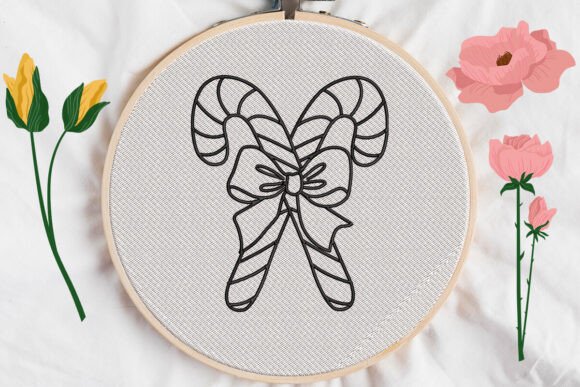
The title suggests a classic motif, and in the world of holiday decor, "classic" is a powerful word. From a design perspective, bows are inherently decorative. They suggest gift-giving, celebration, and softness. The Christmas Bow Embroidery design appears to offer a festive winter holiday touch that feels both elegant and approachable. Unlike some designs that rely on busy scenes or complex characters, a bow is clean, recognizable, and universally liked.
For a booth display, simplicity is key. Customers walking past a table often make decisions in seconds. A well-executed bow design stands out because it is uncluttered. It allows the quality of the stitching and the texture of the fabric to shine. Whether you are aiming for a modern minimalist look or a rustic farmhouse aesthetic, a bow design can be adapted through thread choice and fabric selection. It feels premium, which directly influences how customers perceive the value of your finished product.
Product Applications: Where This Design Shines
The description mentions pillows, baby blankets, napkins, and tablecloths, but as a seller, I see even more potential. Here is how Christmas Bow Embroidery performs across various high-demand categories:
- Tote Bags and Market Bags: A tote bag design featuring a centered or corner-placed bow is incredibly popular. It works beautifully on canvas or jute bags. The bow adds a pop of color against neutral backgrounds, making it an impulse buy at craft fairs. It transforms a plain utility item into a stylish accessory.
- Kitchen Textiles: Tea towel embroidery is a staple of the holiday market. Placing a bow at the bottom hem or center of a linen tea towel creates a sophisticated look. Because kitchen towels are functional, buyers feel justified in purchasing them as gifts or for their own use. The design’s clean lines ensure it doesn’t get lost in the weave of the fabric.
- Appliqué and Apparel: For apron embroidery, a bow placed near the neckline or pocket adds a charming detail. It also works exceptionally well on caps and beanies, where the curve of the cap complements the loops of the bow. However, curved surfaces require careful hooping, so test this application thoroughly.
- Home Decor Accents: Pillow covers and small pouches are excellent for showcasing this design. The bow acts as a focal point, drawing the eye. These items are perfect for "grab-and-go" pricing tiers at markets, encouraging multiple purchases.
- Digital Products: If you sell digital embroidery files, offering this design as part of a "Holiday Essentials" bundle can increase average order value. It is a safe, high-demand asset that appeals to other designers and hobbyists looking for quick projects.
Production Practicality and Batch Manufacturing
One of the biggest challenges for small business owners is scalability. Can you produce 50 units efficiently? The Christmas Bow Embroidery design seems well-suited for batch production. Bows typically consist of satin stitches and maybe some fill areas, which generally run faster than intricate pictorial scenes. This means lower hoop counts per hour and reduced machine wear.
However, clarity is paramount. When designing for mass production, every stitch must count. If the bow has tiny details or thin lines, they may merge together during the stitching process, especially if using cheaper threads. Ensure the stitch density is balanced—too dense, and the fabric pucks; too sparse, and the design looks weak. For a small shop product, consistency is what builds brand reputation. You want every pillow cover to look identical to the last.
Photography and Online Listings
In the digital age, your printable mockup is your storefront. A bow design photographs exceptionally well because it catches light and shadow nicely, creating depth in images. When listing on Etsy or your own website, close-up shots of the thread texture will highlight the quality of your work. Use natural lighting to show the true thread colors. A bright red bow on white linen looks different than a deep burgundy bow on cream fabric. Providing multiple color options in your listings can significantly boost conversion rates.
Careful-Use Notes and Technical Considerations
Before you start printing tags and setting up your booth, there are several technical checks you must perform. As an experienced designer, I cannot stress enough the importance of testing.
- Test on Scrap Fabric: Never go straight to your final product. Test the embroidery file on the exact fabric you plan to sell. Check how the stabilizer interacts with the material. Towels need cut-away stabilizer; lightweight cottons might do fine with tear-away, but always verify.
- Check Hoop Size: Confirm the recommended hoop size for the design. If the bow is large, ensure your machine can accommodate it without re-hooping, which can misalign the design. If it is small, make sure it isn’t so tiny that details are lost.
- Fabric Texture and Color: Avoid dark fabrics unless you are using a high-contrast thread or a backing layer. Dark fabrics can absorb light, making the bow look dull. Also, be wary of highly textured fabrics like heavy terry cloth; the needle may struggle to penetrate evenly, leading to skipped stitches.
- Thread Contrast: The success of a simple design often hinges on thread choice. Experiment with metallic threads for a luxurious feel, or matte cotton threads for a rustic look. Ensure the thread weight matches the design’s stitch type.
- Commercial Licensing: Before selling finished goods, double-check the commercial embroidery license terms. Some design assets allow personal use only, while others permit commercial sales up to a certain number of units. Protect your business by ensuring you have the right permissions.
Final Verdict: Is It Worth Adding to Your Inventory?
The Christmas Bow Embroidery design is a strong contender for any holiday collection. It offers the versatility needed for diverse product lines, from embroidered patches to home decor. Its clean aesthetic makes it easy to photograph and market, while its likely efficient stitch structure supports profitable production volumes.
For creative entrepreneurs looking to capitalize on the holiday rush, this design provides a reliable foundation. It allows you to create cohesive collections—matching tea towels with tote bags, or coordinating pillow sets with aprons. By focusing on high-quality execution, proper stabilization, and strategic placement, you can turn this simple bow motif into a best-selling item.
Remember, the goal is to create products that evoke emotion. A bow symbolizes care and celebration. When a customer picks up a hand-embroidered item with this design, they should feel the warmth of the season. With proper preparation and attention to detail, the Christmas Bow Embroidery design can help you achieve exactly that, driving sales and building a loyal customer base for years to come.