Bow Embroidery 1: A Designer’s Review for Small Business Merch
As an embroidery designer who has spent years translating digital concepts into tangible, stitched realities, I approach every new design file with a mix of creative excitement and technical scrutiny. When evaluating assets for small business merch, the goal is never just aesthetics; it is about viability, brand cohesion, and production efficiency. Today, I am reviewing Bow Embroidery 1, a design categorized under Christmas and Embroidery that promises versatility across home decor, apparel, gift items, and wall art. But does it hold up when applied to the rigorous demands of branded merchandise, embroidered patches, and custom apparel?
First Impressions: Visual Personality and Brand Fit
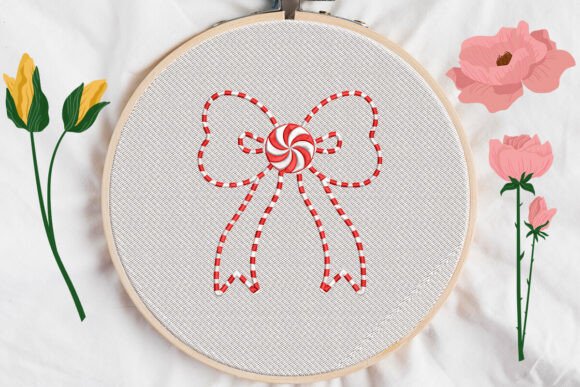
The title "Bow Embroidery 1" suggests a classic, perhaps slightly playful or elegant motif. In the world of branding, bows often signal femininity, celebration, gift-giving, or a touch of rustic charm. For a small café, boutique, or handmade shop, this visual language can be incredibly powerful. It feels friendly and approachable, which is essential for building customer trust and engagement.
However, as a professional reviewer, I must look beyond the title. The description notes that this machine embroidery design comes with multiple file formats, which is a strong indicator of usability. Whether your brand identity leans toward modern minimalism or traditional warmth, a bow motif offers a neutral yet decorative anchor. It allows your specific product—be it a bakery box, a florist’s wrap, or a pet brand’s tag—to shine without the logo overwhelming the aesthetic. It strikes a balance between being a standalone graphic and a subtle accent detail.
Real-World Application in Commercial Projects
Let us move from theory to practice. How does Bow Embroidery 1 perform when digitized and stitched onto physical goods? Here is where we evaluate its potential as a digital embroidery file for commercial use.
Embroidered Patches and Brand Assets
One of the most lucrative applications for a versatile design like this is the creation of embroidered patches. A bow motif translates exceptionally well to patch form because its shape is distinct and recognizable even at smaller scales. Imagine a boutique clothing line using this as a back-label patch on denim jackets, or a coffee roaster stitching it onto canvas tote bags. The design’s likely simplicity (implied by the single-word focus) means it should stitch cleanly without excessive thread breaks, provided the stitch density is appropriate.
Apparel and Uniforms
For staff uniforms, particularly in hospitality or retail, subtlety is key. Bow Embroidery 1 could serve as a chest logo accent on apron embroidery projects. Instead of a large, aggressive corporate logo, a tasteful bow adds a signature touch that employees might actually enjoy wearing. It works beautifully on cap embroidery as well, placed on the side or back of a baseball cap to denote a specific team role or seasonal collection.
Tote Bags and Product Packaging
In the realm of handmade products, presentation is everything. A tote bag design featuring this bow can elevate a simple canvas bag into a premium shopping accessory. Furthermore, for brands selling physical goods, incorporating this design into product packaging accents—such as stitching it onto hang tags or fabric seals—adds a layer of perceived value. It signals to the buyer that attention to detail matters, reinforcing brand identity before the product is even opened.
Technical Considerations and Potential Pitfalls
Not all designs are created equal, and as a designer, I must highlight areas where Bow Embroidery 1 requires careful handling. Ignoring these factors can lead to costly production errors.
- Small Patch Sizes: If you intend to scale this down significantly for tiny labels or cuff details, you must inspect the thread colors and spacing closely. Fine lines may merge together if the stitch count is too low or the resolution is insufficient.
- Curved Surfaces: Applying this to cap embroidery or rounded containers requires testing on the actual curve. Designs that look flat on screen may distort when pulled tight against a curved hoop.
- Fabric Texture: The final look will vary drastically depending on whether you stitch onto smooth cotton, textured linen, or stretchy knit fabrics. Always test on the fabric texture you plan to use commercially.
- Dark Uniforms: If stitching on dark garments, ensure the design includes a sufficient underlay or uses contrasting thread colors to prevent the stitches from sinking into the fabric weave.
Impact on Brand Identity and Customer Perception
Using a cohesive design asset like Bow Embroidery 1 across various touchpoints creates visual consistency. When a customer sees the same bow motif on a social media post, a printed flyer, and the actual finished product, it reinforces recognition. This consistency builds professionalism. It tells the market that your handmade product is not just a hobby, but a serious business venture.
Moreover, the "bow" element often evokes feelings of care and gifting. By associating your brand with these positive emotions, you enhance buyer engagement. Customers are more likely to share photos of their purchases if the branding feels personal and thoughtfully designed. This user-generated content is invaluable for organic marketing.
Practical Designer Notes for Production
Before committing to a large production run, follow these essential steps to ensure quality control:
- Test in Black and White: Convert the embroidery file to monochrome first. Does the silhouette remain clear? If the design relies on color contrast rather than shape, it may fail in single-color applications.
- Check Hoop Size: Confirm the maximum hoop size required. Ensure your machines can accommodate the design without needing re-hooping, which can misalign the stitching.
- Stabilizer Selection: Use the proper stabilizer for your fabric type. A lightweight tear-away might suffice for woven cotton, but a cut-away may be necessary for stretchy materials to maintain integrity over time.
- Create a Mockup: Generate a printable mockup or stitch out a sample to show clients for approval. Never assume how a design will look until it is physically produced.
- Verify Licensing: Most importantly, confirm commercial licensing terms. Just because a design asset is available for purchase does not automatically grant rights for mass production. Ensure you have the legal right to sell items made with this machine embroidery design.
Final Verdict
Bow Embroidery 1 presents itself as a flexible, charming option for entrepreneurs looking to add a polished touch to their custom apparel and gift items. Its suitability for commercial embroidery hinges on proper digitization checks and fabric testing. For small business owners, Etsy sellers, and crafters, it offers a reliable way to enhance product value through consistent, high-quality branding. By treating it with the same technical rigor as any other critical business tool, you can transform a simple digital file into a cornerstone of your brand’s visual identity.