Black History Format Embroidery Design Review
As an embroidery designer who has spent years translating digital concepts into tactile, wearable art, I approach every new design file with a mix of excitement and critical scrutiny. When Black History Format Embroidery Design landed in my inbox, I didn’t just see a graphic; I saw potential for a premium collection piece. The brief was clear: prepare a limited drop for a small online boutique. The goal? To create something that feels authentic, respectful, and undeniably high-quality. This review breaks down how this specific Inspirational category piece translates from screen to sweatshirt.
First Impressions: Mood and Visual Impact
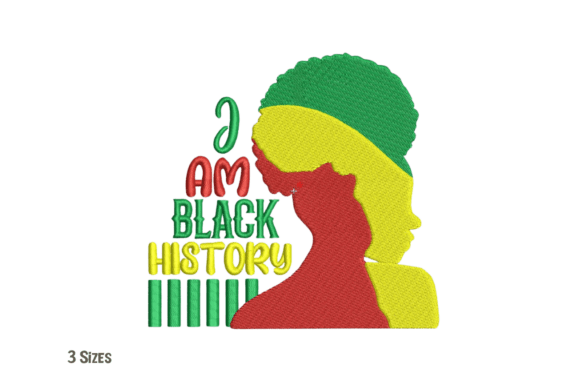
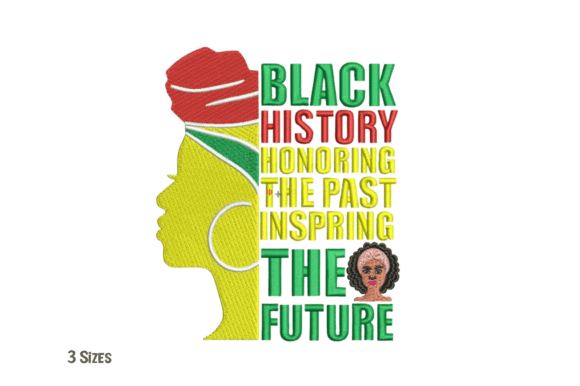
The moment you open the file, the layout commands attention. The core concept relies on a striking silhouette profile paired with the powerful message, "Honoring the Past, Inspiring the Future." From a design perspective, this is a strong foundation. It balances graphic boldness with textual meaning. In the world of sweatshirt embroidery, simplicity often wins because it reads better from a distance. This design does not rely on clutter; it relies on presence.
The mood is dignified yet accessible. It avoids being overly ornate or "cute," which makes it versatile for a broader audience. Instead, it leans into a bold, minimal aesthetic that feels both modern and timeless. For a boutique brand, this is crucial. You want a product that customers feel proud to wear, not just a novelty item. The silhouette provides a focal point that draws the eye, while the typography anchors the emotional weight of the piece. It feels like a statement piece that respects the heritage it celebrates.
Fabric and Placement Strategy
One of the biggest challenges in apparel decoration is matching the design to the garment’s texture and color. I tested this embroidery file mentally against several fabric types common in our shop inventory.
- Neutral Sweatshirts: On heather grey or oatmeal fabrics, the design will pop without overwhelming the wearer. The contrast allows the silhouette to stand out clearly.
- Dark Fabric: Black or navy hoodies require careful thread selection. White or metallic gold threads would likely be the best choice to ensure the silhouette remains visible against the dark background.
- Pastel Colors: Soft pinks or blues offer a gentler backdrop. Here, the design takes on a slightly more delicate feel, making it appealing for spring collections.
- Oversized Hoodies: These garments have a relaxed drape. A centered chest placement works well, but placing a smaller version on the sleeve or back pocket can add a trendy, layered look.
For a handmade product, the finish matters. On thick cotton blends, the stitching needs to sit securely without puckering the fabric. This design appears to have a balanced stitch density that should hold up well on standard fleece materials.
Placement Options for Maximum Appeal
Variation is key for custom apparel. While the primary placement is the left chest, consider these alternatives to boost your Etsy seller listings:
- Chest Centerpiece: The classic look. Best for showcasing the full message.
- Sleeve Accent: A scaled-down version on the upper arm adds a subtle detail that discerning buyers love.
- Back Design: Placing the larger silhouette on the back creates a bold streetwear vibe.
- Hoodie Drawstring Tips: If the design includes small geometric elements, they could be embroidered on the aglets for a unique touch.
Technical Evaluation: Stitch Density and Durability
When reviewing any machine embroidery design, I always look at the technical specs. While exact stitch counts vary by software conversion, the visual complexity suggests a moderate stitch density. This is ideal for commercial embroidery on apparel because it reduces hooping time and minimizes the risk of fabric distortion.
Thread colors are critical here. Since the description highlights a silhouette, the use of fill stitches will determine the texture. Satin stitches for outlines will provide a clean edge, while running stitches for text will keep the design lightweight. For hoodie design applications, ensuring the stabilizer matches the fabric weight is non-negotiable. A cut-away stabilizer is recommended for knit fabrics to maintain integrity after washing.
Hoop size considerations are also important. If the design spans a large area, multi-hooping might be necessary. Always check the digitizing notes to ensure seamless transitions between hoops. If the design feels too dense, it may become stiff and uncomfortable against the skin. This particular file seems to prioritize readability and impact over excessive detail, which is a smart choice for everyday wear.
Brand Identity and Product Value
In the competitive landscape of digital sellers and creative entrepreneurs, your products must tell a story. This design does exactly that. By choosing Black History Format Embroidery Design, you are aligning your brand with values of heritage and inspiration. This connection builds trust with customers who are looking for meaningful purchases rather than disposable fashion.
Visual recognition plays a huge role in customer engagement. A strong silhouette is memorable. When customers see your printable mockup or physical finished product, they should instantly recognize the brand’s aesthetic. This consistency helps in building a loyal following. Furthermore, high-quality embroidery signals value. Customers are willing to pay a premium for items that feel substantial and well-made. The tactile nature of thread adds a layer of luxury that printed graphics simply cannot match.
Photography and Presentation
To maximize sales, your photography should highlight the texture of the embroidery. Use natural lighting to show the sheen of the threads and the depth of the stitches. Close-up shots of the silhouette’s edge can demonstrate the precision of the work. Lifestyle shots featuring diverse models wearing the sweatshirts in various settings—coffee shops, studios, outdoor spaces—help potential buyers visualize themselves owning the item. This strategy is essential for converting views into sales for any small shop product.
Final Verdict: Is It Ready for Production?
Overall, Black History Format Embroidery Design is a compelling addition to any apparel decorator’s library. It strikes the right balance between artistic expression and commercial viability. The message is clear, the silhouette is striking, and the execution appears robust enough for daily wear.
However, before adding this to your production queue, there are a few practical steps to take. First, verify the stitch density in your specific software to ensure it suits your machine’s capabilities. Second, test run the design on your actual fabric stock to check for fabric texture compatibility and stabilizer performance. Finally, confirm the license terms. Ensure you have the rights to sell finished goods made from this digital embroidery file, especially if you plan to market it as part of a larger collection.
If you are an Etsy seller or crafters looking to expand your catalog with meaningful, high-quality items, this design is a strong candidate. It offers the versatility needed for seasonal drops and the emotional resonance required to connect with today’s conscious consumer. By paying attention to the details—from thread choice to presentation—you can turn this design asset into a standout piece that honors the past while inspiring your future business growth.